


The Future of Passive Income: Starting Your Faceless YouTube Channel in 2026
The digital landscape has shifted. If you’re looking at the YouTube ecosystem in 2026, you’re no longer seeing a platform dominated solely by high-production studios or charismatic vloggers. We have entered the era of the Faceless YouTube Automation Channel—a model where technology does the heavy lifting, and the creator acts as a strategic architect. Most importantly, in 2026, the barrier to entry has vanished. You no longer need to spend months mastering Adobe Premiere Pro or After Effects. You can launch, scale, and monetize a channel with zero traditional editing skills.
This guide will dive deep into the 2026 blueprint for building a digital empire that aligns with the principles of Digital Product Strategy and Mindful Financial Pedagogy, allowing you to build a sustainable asset without sacrificing your privacy or your time.
Why Faceless Channels are the Ultimate 2026 Side Hustle
In 2026, attention is the most valuable currency. Faceless channels (also known as 'Cash Cow' channels) focus on high-retention niches like documentary-style storytelling, financial education, wellness, and 'how-to' guides for the no-code economy. The beauty of this model is scalability. Because you aren’t the 'talent' on screen, the brand exists independently of you. This makes the channel a sellable asset—a key component of Collaborative Household Finance and long-term wealth building.
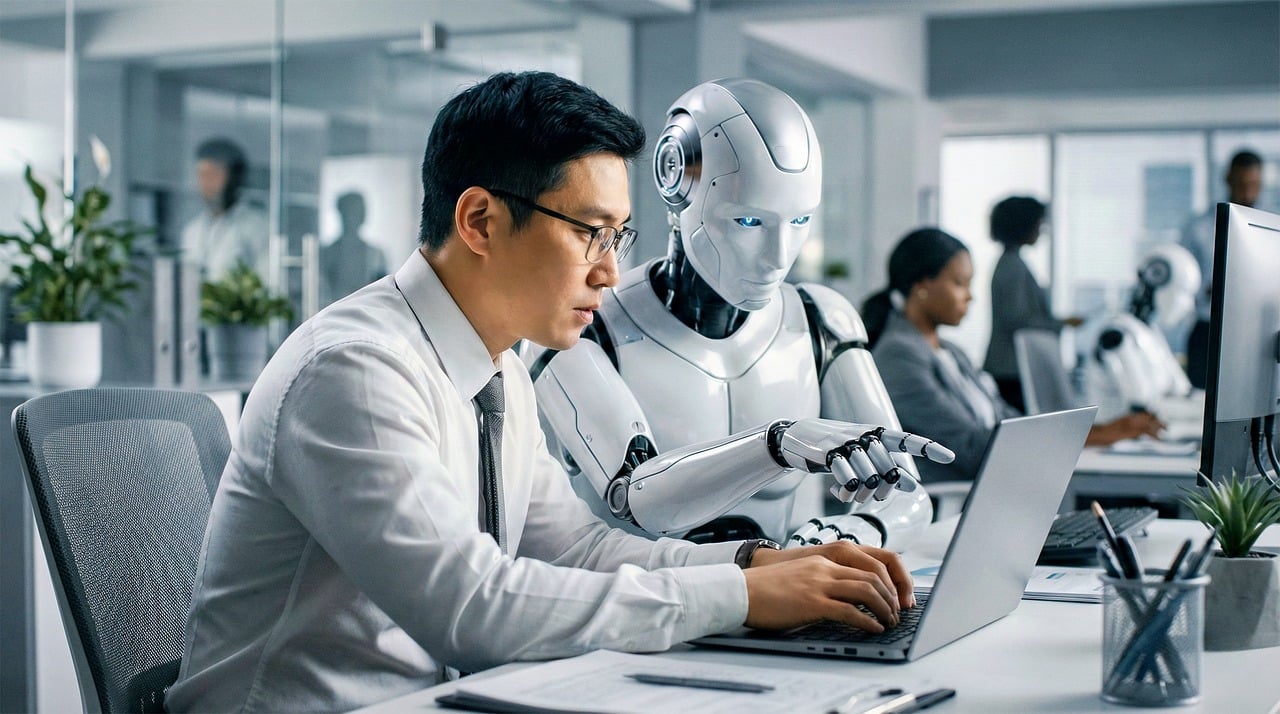
Step 1: Niche Selection Through Data-Driven Triage
In the past, people chose niches based on 'passion.' In 2026, we use Simplified Transaction Triage—analyzing which topics have high CPM (Cost Per Mille) and low competition using AI-driven market analysis tools. High-performing niches for 2026 include:
- Cognitive Fiscal Foundations: Teaching people how to rewire their brains for saving.
- Hybrid Family Budgeting Systems: Visualizing complex financial flows for modern households.
- AI-Assisted Parenting: Using No-Code Parenting Tech to manage household chores.
- The Longevity Economy: Bio-hacking and wellness for the aging Gen X and Millennial populations.
By selecting a niche that offers high educational value, you tap into the YouTube algorithm's preference for 'Satisfactory Watch Time'—a metric that prioritizes content that solves a viewer's problem or teaches a tangible skill.
Step 2: Leveraging the 2026 'No-Editing' Tech Stack
The headline promise is 'no editing skills,' and in 2026, this is fully realized through generative AI orchestration. We are no longer stitching clips together manually; we are using Coda Education Workflows to manage an automated production pipeline.
AI Scripting and Voice Synthesis
Your script is the backbone. Using advanced LLMs (Large Language Models), you can generate scripts that are not just factually accurate but psychologically optimized for retention. Once the script is ready, 2026-era voice synthesis (like ElevenLabs Gen-4) provides voices that are indistinguishable from humans, complete with emotional inflection, pauses, and breath sounds.
Generative Video Engines
This is where the magic happens. Tools like Sora, Runway Gen-3, and Pika Labs have evolved into full-suite production engines. You simply input your script, and the AI generates cinematic B-roll, transitions, and text overlays that match the tone of your audio. The 'editing' process is now a 'curation' process—you select the best AI-generated shots rather than building them from scratch.

Step 3: Implementing Coda Education Workflows for Content Management
To run a successful automation channel, you need a system, not just a set of tools. This is where Coda Education Workflows come into play. Treat your channel like a curriculum. You need a centralized hub where:
- Idea Generation: AI pulls trending topics from Google Trends and X (formerly Twitter).
- Script Tracking: Reviewing and refining AI-generated drafts.
- Asset Management: Storing your brand-specific AI prompts to ensure visual consistency across all videos.
- Performance Analytics: Integrating YouTube API data to see which 'hooks' are driving the highest retention.
By treating your channel as a Digital Product Strategy, you move from being a 'content creator' to a 'systems manager,' which is far more sustainable for parents or professionals balancing a 9-to-5.
Step 4: Monetization and Fiscal Integration
In 2026, AdSense is just the beginning. A truly optimized faceless channel integrates multiple revenue streams into a Zen Budgeting Framework. You should look at:
- Affiliate Integration: Automated links in the description and pinned comments that match the video's context.
- Digital Products: Selling templates (like Toddler Budgeting Systems or Early Childhood Communication Hacks) directly to your niche audience.
- Sponsorships: AI-matched brand deals that find your channel based on audience demographics.
This approach transforms your channel into a pillar of Single Income Educator Budgeting. It provides the 'buffer' needed for Buffer Zone Budgeting, ensuring that your household's financial health isn't tied to a single, fragile source of income.
Step 5: Maintaining Quality and Ethical Standards
As we automate, we must not lose the human element. This is where Mindful Financial Pedagogy applies. Ensure your content is ethically sound. In 2026, YouTube’s 'AI Disclosure' labels are mandatory. Be transparent about your use of AI, but focus on the value of the information you are providing. The audience cares about the result, not just the process.

Conclusion: Your 2026 Action Plan
Starting a faceless YouTube automation channel today is less about technical prowess and more about strategic consistency. By utilizing No-Code Parenting Tech and Coda Education Workflows, you can build a system that produces high-quality video content while you sleep.
The era of the 'solo-preneur' has evolved into the 'auto-preneur.' Don't let the fear of 'not being a creative' stop you. In 2026, the best creators are the best system-builders. Start your triage today, choose your niche, and let the machines build your legacy.